



What is a "unit bath"? An explanation of the unique Japanese bathroom type, its advantages, and disadvantages.
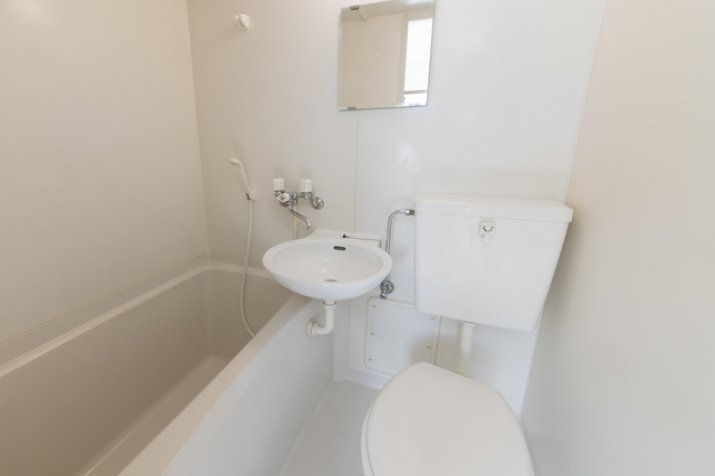
When people hear the term "unit bath," they often imagine a bathroom where the bathtub, toilet, and sink are all in one place, but in reality, they are not always a set.
This article explains the features of unit bathrooms and the advantages and disadvantages of each type of bathroom. Please use it as a reference.
1.What is a unit bathroom?
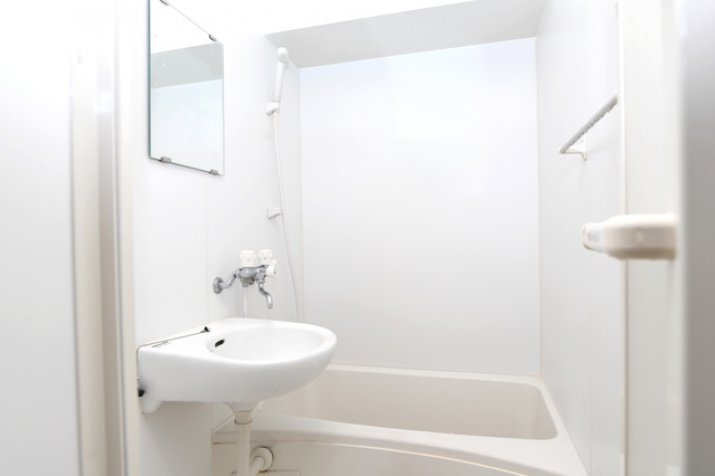
A unit bath is a bathroom where the bathtub, floor, walls, and ceiling are all integrated into one unit.
Because it employs a "unit construction method" (where parts are pre-molded in a factory and then assembled on-site), it is called a unit bathroom.
When people hear the term "unit bath," they often imagine a bathroom where the bathtub, toilet, and sink are all in one place. However, in reality, the toilet and sink are not always included in the unit bath.
2.Differences between bathrooms in Japan and overseas
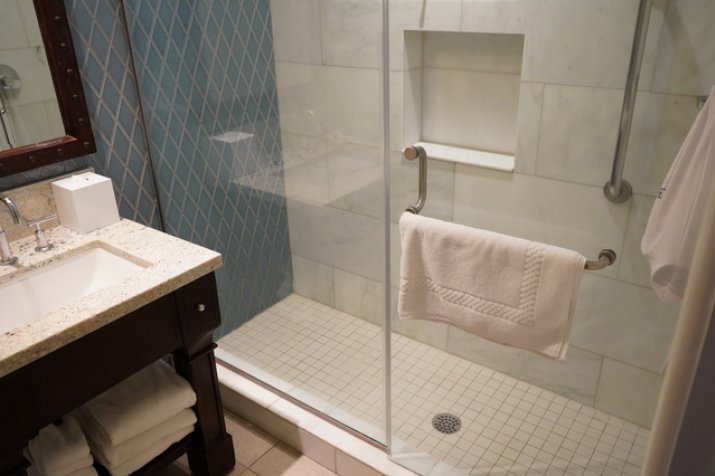
Japanese unit bathrooms differ significantly in structure and usage compared to bathrooms in other countries. This might be a point of confusion for foreigners living in Japan for the first time.
First, a distinctive feature of Japanese bathrooms is that the "area for washing the body" and the "area for soaking in the bathtub" are separated. It is common practice in Japan to thoroughly wash your body with a shower before soaking in the bathtub in a clean state. In contrast, in Europe and America, it is more common to wash your body in the bathtub or to just take a shower.
Furthermore, while bathrooms and toilets are generally completely separate overseas, in Japan, many properties prioritize space efficiency and have a "three-piece unit" where the toilet, sink, and bathroom are combined into one space. This might seem unusual to foreigners.
Furthermore, Japanese bathrooms are highly waterproof and designed so that water splashing on the floor and walls is not a problem. You don't need to worry even if the entire floor gets wet when you take a shower. This is a unique Japanese construction method that thoroughly incorporates a "water-resistant design." In many overseas bathrooms, you need to be careful to prevent water from spreading on the floor, so this is a significant difference.
Thus, Japanese unit bathrooms are designed to be "space-saving," "waterproof," and "suited to bathing habits," which may feel a little strange to foreigners until they get used to them. However, their ability to be compact yet efficient is a unique advantage of Japanese bathrooms.
3.Types of unit bathrooms and their respective advantages and disadvantages

There are three main types of what are called "unit bathrooms": "1-piece unit," "2-piece unit," and "3-piece unit."
We will explain the characteristics, advantages, and disadvantages of each.
One-piece unit (bathroom only)
A "single-piece unit" refers to a bathroom consisting only of a bathtub and a washing area.
Rent tends to be set higher, and it's even more expensive for apartments with a separate washbasin. Separate washbasins are popular with women because they provide convenient storage and a makeup space.
*Separate washbasin = A washbasin space provided separately from the bathroom and toilet.
Two-piece unit (bathroom + sink)
A two-piece unit is a bathroom where the bath and sink are located in the same space. The toilet is in a separate room.
merit
- The bathroom can be used more spaciously.
- Washing area is available
- Toilet supplies can be stored in the toilet.
- Easy to maintain a clean environment
The advantage of a two-piece bathroom unit is that the bath and toilet are separate, allowing for more spacious use of the bathroom.
Furthermore, toilets are less susceptible to humidity and mold growth, making them easier to keep clean.
Disadvantages
- The rent is higher compared to a 3-piece unit (bathroom, toilet, shower, and sink).
- For the same floor area, a bathroom with a three-piece bathroom unit will be smaller.
Because the bathroom and toilet are separate, construction costs are higher, and rent tends to be more expensive.
3-piece unit (bathroom + toilet + sink)
A three-piece unit is a bathroom where the bath, toilet, and sink are all located in the same space.
merit
- Low rent
- Lighter cleaning burden
It's cheaper than a two-piece bathroom unit, making it ideal for those looking to save money. Cleaning is also easier, as you can do everything at once in the shower.
Disadvantages
- The bathroom and toilet area are small.
- It's not possible to store plumbing fixtures.
- The humidity from the bathroom transfers to the toilet.
- Mold is likely to grow.
- It's difficult to let guests use the toilet.
The bathroom space is small, and storage space tends to be insufficient. After bathing, humidity can build up, so it's necessary to take measures such as running the exhaust fan.
4.Points to note when using a unit bathroom

When using a unit bathroom, please pay attention to the following two points.
I will explain each of them.
It is prone to mold growth due to humidity.
Because unit bathrooms are highly airtight, moisture tends to accumulate, creating an environment where mold easily grows.
Examples of countermeasures
- Drain the water after bathing.
- Turn on the ventilation fan.
- Open the door to circulate the air.
- Wipe away any moisture from the walls, floor, and ceiling with a towel.
Regular ventilation and moisture removal can significantly prevent mold growth.
Find creative ways to use it.
Particular caution is needed with three-piece bathroom units, as the bathtub and toilet are in the same space.
When taking a shower, place the shower curtain inside the bathtub to prevent water from spilling onto the floor.
Additionally, choosing a shower curtain with waterproof and mildew-resistant properties will make it easier to keep clean and use.
5.summary
Unit bathrooms are a unique Japanese bathroom style designed to save space and be efficient.
There are 1-point, 2-point, and 3-point options, each with its own advantages and disadvantages.
- People who prioritize space and cleanliness → 1-piece or 2-piece bathroom units
- For those who want to keep costs down → 3-piece unit
While it may seem difficult for foreigners to use at first, as you get used to life in Japan, you will surely come to appreciate its rationality and convenience.