



[For Foreigners] A Cultural Understanding and Practical Guide to Building Good Relationships with Japanese Landlords
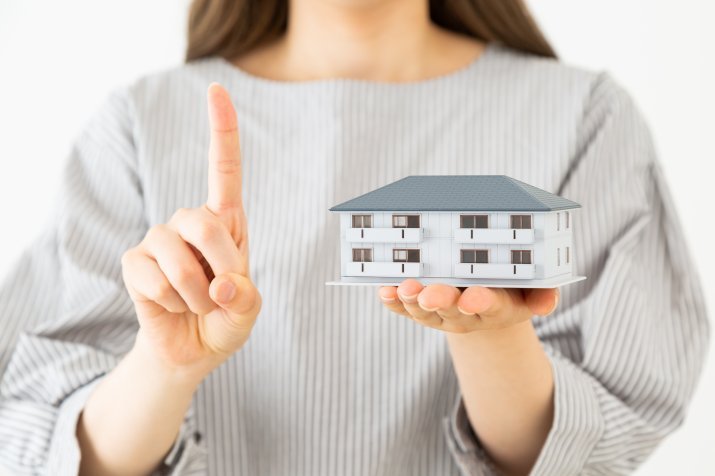
Building a good relationship with your landlord is essential for a comfortable life in a rental property.
However, foreigners may not know how to get along with Japanese landlords.
This article will provide foreigners living in Japan with information about the unique concept of "landlords" and practical ways to build good relationships with them.
1.Cultural understanding is essential for building good relationships with Japanese landlords.
For foreigners to build good relationships with Japanese landlords, it is essential to first understand the unique culture surrounding rental housing and landlords in Japan.
If you have a solid understanding of the role of landlords in Japan, you will naturally understand how to interact with them.
What is a "landlord" in Japan? It's more than just a landlord; it has a cultural background.
In Japan, it's common to affectionately refer to property owners as "ooyasan" (landlord). This term carries a cultural background that goes beyond simply being a business partner.
Historically, Japanese landlords were more than just rent collectors. Especially in times when community ties were strong, they also played a role in looking after the lives of their tenants, acting as community advisors and consultants. For example, they might have acted as guarantors for marriages or offered advice on work-related matters.
I felt a sense of protectiveness, especially towards the tenants of the properties I owned.
Dealing with landlords in modern Japan
In modern times, especially in urban areas, property management companies are almost always involved in rental housing, and opportunities for landlords and tenants to meet face-to-face have decreased. The relationship has also become predominantly business-like.
However, it's still not uncommon to find landlords who live in the same apartment building or who manage the building themselves.
Some landlords may still have the old-fashioned idea that they should take care of their tenants.
Instead of viewing your landlord as a nuisance, it's important to think of them as someone who cares about you and looks out for you. This is crucial for building a good relationship with your landlord.
This article is for foreigners who may have to interact with landlords, and will explain how to build good relationships with them to make your life in Japan more comfortable.
2.Obstacles to foreigners in building good relationships with landlords

There are potential obstacles for foreigners to building good relationships with Japanese landlords.
Understanding what the problem is and showing understanding towards the other person is the first step to building a good relationship.
Other necessary expenses besides rent
While paying monthly rent on time is expected, in Japanese rental housing, in addition to monthly rent, there may be other payments required upon moving in, during your tenancy, and upon moving out.
These include the "security deposit," "key money," and "guarantee deposit" paid at the time of signing the contract, the "contract renewal fee" paid every two years upon the contract's expiration, and the costs associated with "restoring the property to its original condition" upon vacating the premises.
Because of the many unique business practices in Japan, foreigners may find it difficult to understand why they have to pay these fees.
However, "When in Rome, do as the Romans do."
Since payment of money is a major concern for landlords, make sure to pay the amount due to avoid any financial troubles.
For more details on each rule, please see here.
What's the average cost of moving out? A guide to renting in Japan for foreigners.
H3: Cultural and linguistic differences
In addition to the unique rules of Japanese rental housing, there are also challenges specific to foreigners.
- Language Barrier: The biggest obstacle to building a good relationship with a landlord is the language barrier. Many Japanese people do not speak English, and some foreigners find it difficult to communicate with them.
- Cultural differences: It's not uncommon to find it difficult to accept people with different cultures and customs.
Let's work together to find ways to overcome these obstacles.
3.Practical advice for building a good relationship with your landlord

Now that we've covered some aspects of Japanese landlord culture and potential obstacles, let's discuss some practical ways for foreigners to build good relationships with Japanese landlords.
Communication with the landlord and neighbors
Unfortunately, there are landlords who refuse to rent to foreigners simply because they are foreigners.
If you find a property you can move into, it means the landlord has accepted you, a foreigner.
The easiest way to improve your relationship with your landlord is to greet them.
Japanese people consider greetings to be very important. If your landlord lives nearby or you happen to meet them, be sure to greet them. Even just saying "Hello" with a smile will put them at ease and leave a good impression.
Be proactive in greeting people who live in the same apartment building or in the neighborhood.
Because Japanese people are very concerned about appearances and what others think.
Simply put, concern for appearances means "being worried about how others perceive you." Therefore, it naturally leads to paying more attention than usual to other people.
In the case of apartment buildings and other shared housing, people are naturally concerned about who lives next door. This is especially true for foreigners. Some people might even feel uneasy about living next door.
The easiest way to alleviate such anxiety is through greeting. Simply saying "hello" when you meet in the hallway or elevator is enough.
By making an effort to greet and communicate with your landlord and neighbors in a simple way, you will become a "visible and polite neighbor," making you more easily accepted into the community. Remember to value greetings, as this will help you build good relationships where you can help each other in times of need.
Adherence to Japanese rules of living
In Japan, adhering to rules and manners is highly valued. Being a foreigner doesn't exempt you from any restrictions; everyone understands that "following the rules is the norm."
Therefore, when living in rental housing in Japan, please pay particular attention to the following points.
- Garbage disposal rules: Garbage disposal in Japan is extremely strict compared to other parts of the world. There are detailed rules regarding the separation of waste into combustible waste, non-combustible waste, and recyclable waste (cans, bottles, plastic bottles, etc.), as well as designated collection days.
- Noise: Japanese houses have thin walls and sound easily leaks through, so making loud noises can quickly lead to problems. Be especially quiet at night.
- No pets allowed: You must not keep pets in properties where pets are prohibited.
- Usage of common areas: It is prohibited to place personal belongings in common areas such as hallways, stairwells, and entrances.
For more details on these rules, please see " [For Foreigners] A Complete Guide to Rules and Manners for Comfortable Living in Japanese Rental Properties ."
A simple gift
In Japan, there is a culture of giving a small gift to someone who has helped you, especially during special occasions like the end of the year, as a way of expressing gratitude.
For example, when you move in, your landlord will likely be very pleased if you give them a small gift along with a word of thanks.
The gift doesn't need to be expensive. In fact, sweets or small treats from your country would probably be more appreciated.
When you give the gift, express your gratitude in Japanese, even if it's not fluent, by saying something like, "Thank you very much. I look forward to your continued support." Your landlord will surely welcome you.
[Examples of gifts for landlords]
- When moving: Local specialty sweets or sweets from your own country
- Year-end and New Year holidays: Assortments of sweets and daily necessities (towels, etc.)
- Special thank you gift: Seasonal fruits and tea set
Preparing simple gifts like these and using them as "presents for your landlord" or "greetings for your landlord" can help you build a better relationship.