



[For Foreigners] Gotanda Station Guide | A Thorough Explanation of the Town's Charms, Rent Prices, and Rental Search
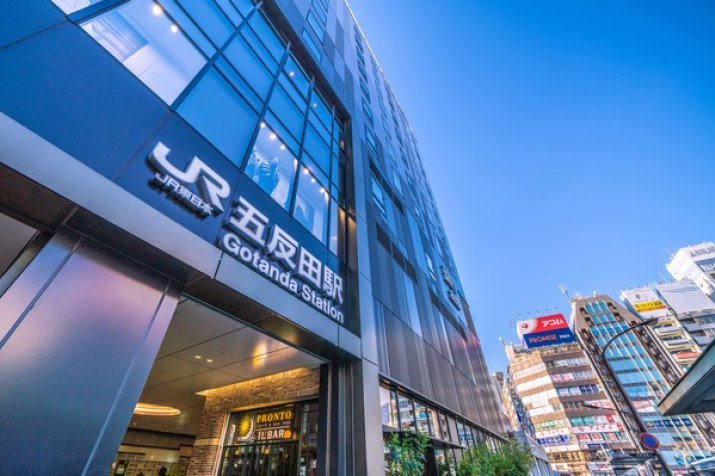
By reading this article, you can find answers to questions such as, "What kind of town is Gotanda?", "What are the average rent prices?", and "Is it easy for foreigners to live there?".
This article also explains four important points for foreigners looking for an apartment in Japan, so please read to the end.
1.What kind of town is Gotanda?
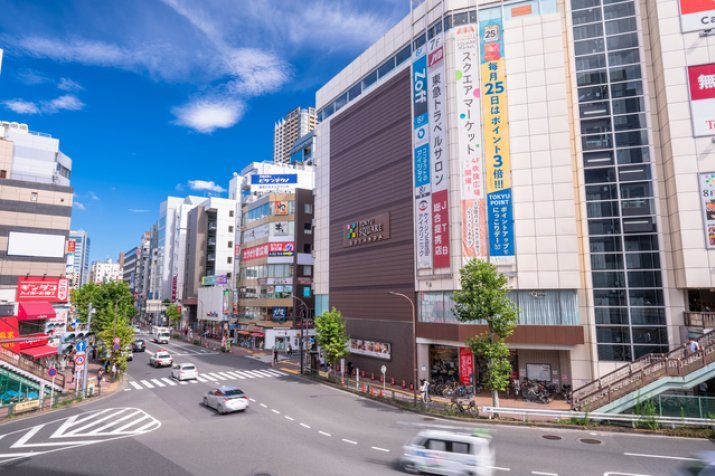
This section introduces the accessibility, charm, and safety of the Gotanda Station area.
Access to major stations
Access from Gotanda Station to major stations in Tokyo is as shown in the table below.
| destination | Duration | Number of transfers | Route used |
| Ikebukuro Station | Approximately 24 minutes | none | Yamanote Line (direct service to Ikebukuro Station) |
| Tokyo Station | Approximately 19 minutes | none | Yamanote Line (direct service to Tokyo Station) |
| Shinjuku Station | Approximately 15 minutes | none | Yamanote Line (direct service to Shinjuku Station) |
| Shibuya Station | Approximately 8 minutes | none | Yamanote Line (direct service to Shibuya Station) |
| Shinagawa Station | Approximately 6 minutes | none | Yamanote Line (direct service to Shinagawa Station) |
*Times may vary depending on the time of day and train conditions.
Gotanda Station is a stop on the Yamanote Line, so you can access any major station in Tokyo without changing trains.
The charm of the town
In the area from Gotanda to Osaki, several large-scale redevelopment projects are underway in areas such as Higashi-Gotanda 1-chome and 2-chome, with new office buildings, residences, and commercial facilities being developed in stages.
The project is expected to run from the early to late 2020s, and further improvements to the city's landscape and pedestrian environment are anticipated.
Furthermore, the Gotanda TOC Building, a landmark in Nishi-Gotanda, was closed down once, but the rebuilding plan was revised, and it reopened in 2024 after renovations.
With major stores like Uniqlo and Daiso reopening, and the police museum also scheduled to relocate in the future, the area is attracting attention as a hub for shopping and learning.
Safety and livability
There are many izakayas, bars, and karaoke establishments around Gotanda Station, and the west exit area in particular is bustling with people until late at night.
Late at night, the number of intoxicated customers increases, and those who prefer a quiet environment may find it a bit noisy.
2.Convenience facilities for daily life
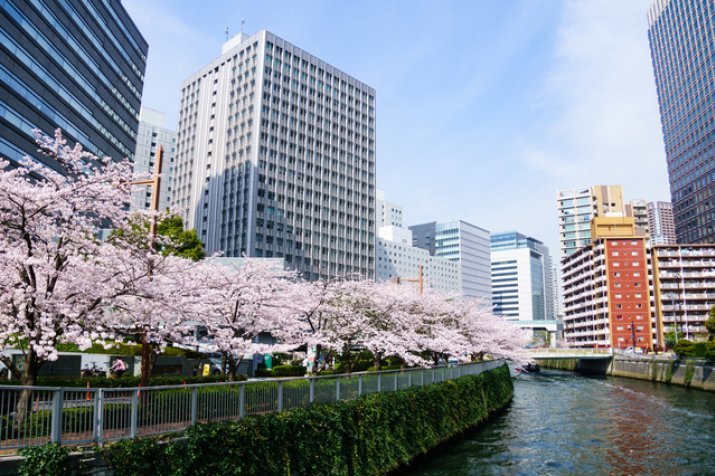
This section introduces convenient facilities located around Gotanda Station.
Restaurants and commercial facilities
Gotanda has a history of flourishing as a traditional geisha district, and as such, it is an area with a very wide variety of restaurants.
From long-established Western-style restaurants to yakiniku (Japanese barbecue) restaurants, ramen shops, and ethnic restaurants, you'll never be short of dining options.
Gotanda Tokyu Square, directly connected to Gotanda Station, houses fashion stores, general merchandise shops, cafes, bookstores, and more, as well as a Tokyu Store supermarket on the basement floor and first floor. It's extremely convenient as you can buy groceries and prepared foods on your way home from work or while you're out and about.
Supermarkets and general merchandise stores
There are several supermarkets around Gotanda Station, including Maruetsu Petit and My Basket, and many of them are open until late at night, making it especially convenient for those who often cook at home.
Schools and hospitals
The Gotanda area, part of Shinagawa Ward, is a region with a relatively good number of childcare facilities and schools.
In addition to the public schools around Gotanda Station, there are also several private schools and international schools along the Yamanote Line, so the educational options are quite broad.
There are also medical facilities around Gotanda Station that offer services in foreign languages.
Typical examples are as follows:
| name | overview |
| NTT East Japan Kanto Hospital | This large general hospital has an "International Medical Department" that provides services in English. We offer appointment scheduling, consultations, and test result notifications in English, making it a relatively easy environment for those who are not confident in their Japanese language skills to receive treatment. |
| Gotanda Skin Clinic | This clinic provides information in English, making it a considerate option for patients who prefer to communicate in English. Its distinguishing feature is that it provides comprehensive care for a wide range of symptoms, from internal medicine issues to skin problems. |
| Takeuchi Gastrointestinal Clinic | This clinic, run by a director specializing in gastrointestinal diseases, provides comprehensive medical care ranging from general internal medicine to digestive disorders. Its convenient location near the station makes it easy to access, and it's a great place to go as your primary care physician. |
*Please note that clinic hours, medical services, and availability of foreign language support may change. Please be sure to check the official information before your visit.
3.Average rent around Gotanda Station
This section explains the average rent prices around Gotanda Station.
Average rent prices by floor plan and property type
| Floor plan | Rent market price |
| One-room apartment | Approximately 131,000 yen |
| 1K | Approximately 115,000 yen |
| 1LDK | Approximately 239,000 yen |
| 2LDK | Approximately 296,000 yen |
| 3LDK | Approximately 669,000 yen |
*Based on our own research using information from real estate websites as of November 2025.
Comparison with other areas
Let's compare the average rent prices with those of nearby stations: Meguro, Osaki, Togoshi, and Osaki Hirokoji.
| Floor plan | Gotanda Station | Meguro Station | Osaki Station | Togoshi Station | Osaki Hirokoji Station |
| One-room apartment | Approximately 131,000 yen | Approximately 156,000 yen | Approximately 100,000 yen | Approximately 101,000 yen | Approximately 139,000 yen |
| 1K | Approximately 115,000 yen | Approximately 138,000 yen | Approximately 108,000 yen | Approximately 106,000 yen | Approximately 110,000 yen |
| 1LDK | Approximately 239,000 yen | Approximately 279,000 yen | Approximately 205,000 yen | Approximately 183,000 yen | Approximately 226,000 yen |
| 2LDK | Approximately 296,000 yen | Approximately 442,000 yen | Approximately 318,000 yen | Approximately 264,000 yen | Approximately 264,000 yen |
| 3LDK | Approximately 669,000 yen | Approximately 496,000 yen | Approximately 452,000 yen | No data available. | No data available. |
*Based on our own research using information from real estate websites as of November 2025.
4.Nearby tourist attractions
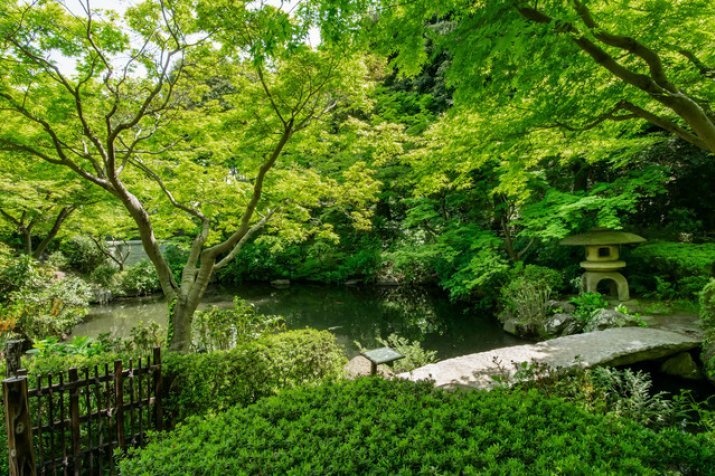
This section introduces tourist attractions located around Gotanda Station.
| name | overview |
| Cherry trees along the Meguro River | The area along the Meguro River, within walking distance of Gotanda Station, is one of Tokyo's premier cherry blossom viewing spots, with cherry trees in full bloom during the spring. The area has well-maintained walking paths, making it perfect for walks or runs before or after work. |
| Ikedayama Park | This park, situated on a hill, is designed in the style of a Japanese garden, with a pond, a small waterfall, and beautifully maintained seasonal plantings. This is recommended for those who want to get away from the hustle and bustle of the city and enjoy nature in peace. |
| Shinagawa City Gotanda Cultural Center and Gotanda Library | A cultural facility equipped with a music hall, library, and planetarium. We also have a selection of language learning books, so you can use them to study Japanese or to help your children develop a reading habit. |
*Operating hours may vary for each facility due to events, maintenance, etc.
5.Voices from people who actually live there
While some people expressed positive opinions such as, "The Yamanote Line runs through here, so transportation is convenient," "The Tokyu Store directly connected to the station is open until midnight, which is helpful for shopping even if I work late," and "It's nice to be able to feel close to nature while being in the city center," others expressed concerns such as, "The entertainment district on the east side is noisy until late at night, which makes me uneasy about it as a child-rearing environment," and "Rent is expensive, and family-friendly properties are especially pricey."
6.Who would I recommend Gotanda Station to? And who wouldn't?
Based on the information presented so far, I will now explain who I would recommend Gotanda Station to and who I would not.
Recommended for
Gotanda Station is recommended for the following types of people:
・Those who want to commute to major areas in the city center in a short amount of time
・People who frequently use airports or bullet trains
・For those who want to enjoy a good balance of eating out, takeout, and cooking at home.
People I wouldn't recommend this to
The following types of people would not be recommended to use Gotanda Station:
・People who want to live in a calm environment
・Those who prioritize a child-rearing environment
・Those who want to keep their rent down
7.Key points for foreigners looking for an apartment
Here are four important points to consider when foreigners are looking for an apartment in Japan.
① Look for a real estate company that offers services in foreign languages.
Choosing a real estate company with staff who can speak foreign languages will make communication smoother.
Especially if you're looking for an apartment in Japan for the first time, you'll likely have many questions and concerns, so it's a good idea to start by finding a real estate company that offers services in foreign languages.
If you choose a real estate company that offers online viewings and chat-based communication, you can smoothly proceed with your apartment search even while living abroad.
② Understand the process from property search to move-in.
The general process for finding an apartment in Japan is as follows:
- Organize your desired conditions (area, rent, floor plan, etc.)
・Property proposal
・Viewing
・Application for tenancy
・Tenant screening
• Contract signing
• Payment of contract fee
・Handing over the keys
・Move-in
Even if you haven't yet sorted out your desired conditions when you start looking for an apartment, you can work with a real estate agent to organize them together, so start by contacting a real estate company.
③ Check the required documents.
The documents generally required for the application process are as follows:
・Residence card
·passport
・ Employment certificate or student ID
Proof of income
• Emergency contact information, etc.
The required documents vary greatly depending on your situation and the property, so we recommend checking with the real estate company in advance before applying for tenancy.
④ Check the contract details.
Be sure to check all special clauses regarding security deposit, key money, renewal fees, penalties for early termination, restoration requirements upon vacating the property, and whether pets and musical instruments are allowed when signing the contract.
Some real estate companies provide important information documents and English translations of guides in multiple languages, so asking questions in advance about anything you're unsure of can help prevent problems.