



Apartment Rules and Manners in Japan for Comfortable Living

Foreigners may often find Japan's unique rules and manners difficult to understand.
Rules and etiquette regarding rental properties are one example of this.
When living in rental housing in Japan, it's important to understand and adapt to the unique rules and manners of the country.
I think of renting not only a property, but also "culture."
This article explains the rules and manners for foreigners to live comfortably in rental properties in Japan.
1.Noise etiquette to avoid neighbor disputes
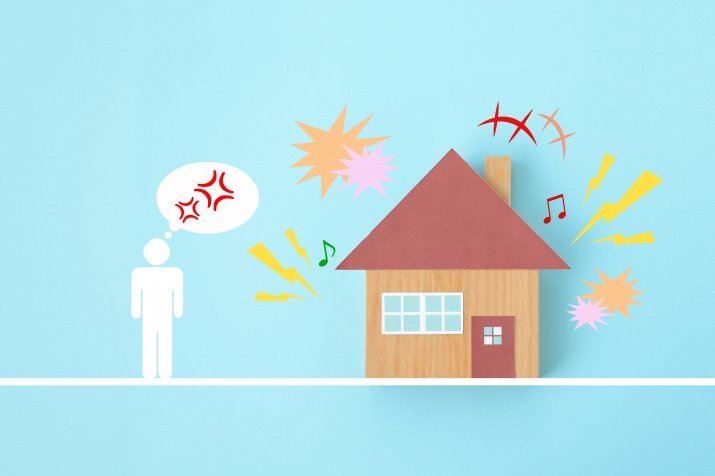
Most typical houses in Japan (including apartments) are made of wood.
Therefore, compared to reinforced concrete or block-built buildings, the walls are thinner, and in apartments, sounds tend to leak easily from adjacent rooms and the rooms above and below.
Reference: Trends in wood utilization in the construction sector, Forestry Agency
Furthermore, because Japanese people prefer to live in quiet environments, it is common courtesy not to make noise that would disturb others, even in one's own room.
Especially after 10 PM, which is considered "bedtime," making loud noises during this time is highly likely to lead to problems. Please avoid doing laundry or using a vacuum cleaner late at night as much as possible.
[Measures to address noise etiquette]
- Wear slippers indoors to reduce the noise of footsteps.
- Place carpets or rugs on the hardwood floors.
- Use noisy appliances during the daytime whenever possible.
- When hosting a home party, be mindful of the surrounding environment and the time of day.
2.Garbage disposal rules
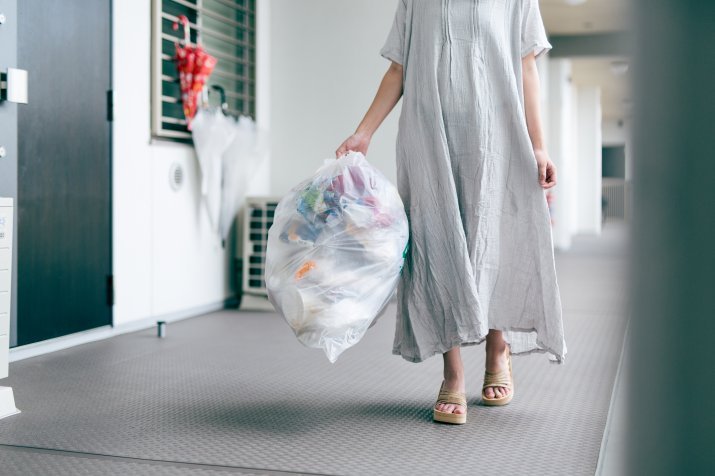
In Japan, the rules regarding garbage disposal are very strict, and failing to follow them can easily lead to trouble.
Basic Rules
In your country, you might put all your garbage out together, and a recycling company might sort it for you.
However, in Japan, you have to separate your garbage by type before putting it out for disposal.
| Types of waste | Main examples | Points to note |
| Combustible waste (burnable waste) | Food waste, paper scraps, dirty plastic, clothing, etc. | It is common practice to put them in the garbage bags designated by the local government. |
| Non-burnable waste (waste that does not burn) | Small metal objects, glass, ceramics, dry cell batteries, etc. | Knives and breakable items should be wrapped in paper and labeled "DANGER," among other precautions. |
| Recyclable waste | Plastic bottles, cans, glass bottles, and recycled paper (newspapers, magazines, cardboard) | Wash them thoroughly and dry them before putting them out. For plastic bottles, it's essential to remove the caps and labels. |
| Plastic containers and packaging | Food trays, shampoo bottles, snack bags, etc. | Look for the "Plastic" mark. Please wash it thoroughly before putting it out. |
Differences in waste sorting rules by region
The garbage sorting rules listed above are general guidelines only. Actual rules vary by region, so be sure to check your local government's "garbage disposal guidebook" or website when you move in.
Garbage that is not properly sorted may not be collected and may be returned as is. This can cause problems with collection workers and neighbors, so caution is advised.
The importance of strictly adhering to garbage collection days and times
As a general rule, trash should be put out on the designated days and times.
For example, the days on which you can put out your trash are designated by area, such as "combustible waste on Tuesdays and Fridays" and "non-combustible waste on Wednesdays."
Furthermore, it is usually required to "put out your trash at the designated collection point by a certain time in the morning," and in many areas, putting it out the night before is prohibited. Trash put out the day before is disliked because it can be rummaged through by cats and crows and can cause foul odors.
How to dispose of bulky waste and the necessary procedures
Large items of waste that do not fit into designated garbage bags, such as furniture, home appliances, and bicycles, are classified as "bulky waste" and require a different disposal method than regular garbage.
You must apply through your local government's website or by phone, pay the designated fee, attach the sticker, and place it at the designated location. It may take 1-2 weeks from application to collection, so you need to prepare well in advance, especially before moving.
Leaving trash in a designated garbage area without permission is illegal dumping and could result in penalties, so please absolutely refrain from doing so.
3.Use and management of shared spaces
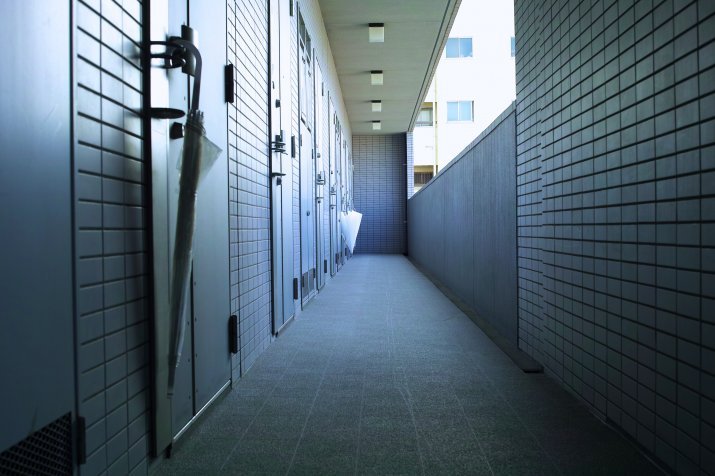
There are rules that must be followed regarding the use of common areas such as hallways, stairwells, and entrances in apartment buildings and other multi-unit dwellings.
Leaving personal belongings in common areas is prohibited.
Leaving personal belongings in common areas such as hallways, stairwells, and entrances of apartment buildings and condominiums is generally prohibited.
Leaving items such as umbrellas, bicycles, strollers, and cardboard boxes in common corridors and stairwells is considered a disaster prevention issue because it obstructs evacuation.
Balcony usage rules
In Japanese rental housing, balconies are also considered common spaces. This is because they are equipped with common facilities such as escape hatches and drainage systems, they can be used as evacuation routes in case of disaster or fire, and they contribute to the building's appearance.
Therefore, smoking and barbecuing on the balcony may be prohibited. Please check your contract.
However, since balconies are also personal spaces, it's fine to install air conditioner outdoor units, hang laundry, or set up small tables and chairs. Just please refrain from leaving large amounts of belongings there that could obstruct evacuation.
Bicycle and motorcycle parking rules and registration
If you own a bicycle or motorcycle, you must park it in a designated parking space.
Generally, to park a bicycle or motorcycle, you need to notify the authorities in advance, pay a registration fee if necessary, and affix a designated sticker (parking sticker). This is an important rule to prevent unauthorized parking and theft by outsiders.
4.Unique Japanese housing customs
Let's also learn about the unique rules and customs related to Japanese buildings and lifestyles.
No shoes allowed inside! How to take off your shoes at the entrance and the custom of wearing slippers indoors.
The entrance is the boundary that separates the outside from the inside of the house. Therefore, in Japan, it is an absolute rule to take off your shoes at the entrance.
It is customary to take off your shoes in the entranceway (the lower part of the floor) and place them neatly. Then, when entering the room, you change into slippers or other indoor footwear. This prevents bringing outside dirt into the room and helps keep the floor clean.
Also, toilets often have special "toilet slippers" provided, in which case you change into them when entering or leaving the toilet.
How to use the bath and toilet
In some apartments, the bathroom may have a separate bathtub in addition to the shower. The bathtub is not a place to wash your body, but a place to soak in hot water and relax with a clean body. Therefore, you should wash your body and hair in the shower before getting into the bathtub.
If your bathroom and toilet are in the same room, using a shower curtain to prevent water from splashing is also effective in preventing mold growth.
Also, it's generally okay to flush toilet paper down the toilet in Japan. However, avoid flushing large amounts of toilet paper at once to prevent clogging.
The importance of ventilation (to prevent mold)
Japan is a humid country, and mold growth is particularly common during the summer and rainy season. If you keep your windows closed, moisture will build up, and mold may grow on the walls and ceilings.
Therefore, make it a habit to turn on the exhaust fan or open the windows to ventilate the bathroom and kitchen thoroughly after use.
5.Prohibited actions that constitute a breach of contract

Although clearly stated in the rental agreement, here's an explanation of some prohibited behaviors that can be a little difficult for foreigners to understand.
Increase in subletting and unauthorized cohabitation
Living with someone not explicitly mentioned in the contract, even if they are your partner or family member, constitutes a breach of contract. Subletting is also generally considered a breach of contract.
If you wish to live with family or a partner, be sure to inform your landlord or property management company in advance.
Unauthorized interior modifications
When renting a property, tenants are required to "restore it to its original condition" (return it to the same state as when they moved in). Therefore, you cannot make large holes in the walls with nails or screws, change the wallpaper, or paint the walls without the landlord's permission.
However, it is permitted to make small holes in the wallpaper with thumbtacks or similar items, so hanging up posters is not a problem.
For more details on restoring the property to its original condition, please see " What is the average cost of moving out? A guide to renting in Japan for foreigners ."
Keeping pets in a property where pets are prohibited
Keeping pets such as dogs or cats without permission in a property where the contract states "no pets allowed" (most apartment buildings prohibit pets) is a serious breach of contract.
This includes not only dogs and cats, but also small animals such as birds, turtles, rabbits, and hamsters.
Keeping a pet without permission can cause problems not only with noise and odors, but also if it damages or stains the walls or floors, you may be charged exorbitant repair costs.
If you want to live with a pet, be sure to look for a property that allows pets.
6.Tips for preventing problems through effective communication.
In addition to following the rules, maintaining good relationships with your neighbors is also very effective in preventing problems.
Simple everyday greetings
Greetings are very important in Japan. Even simple greetings like "Good morning" or "Hello" are fine, but exchanging greetings with your neighbors when you make eye contact is very effective in building relationships and preventing troubles.
I will immediately clarify any questions.
Acting on your own judgment often leads to trouble. If you have any questions about things like how to dispose of garbage, how to use the facilities, or the rules, please check with your landlord or management company immediately.