



A complete guide to rental property fees in Japan for foreigners: "Key replacement fees"
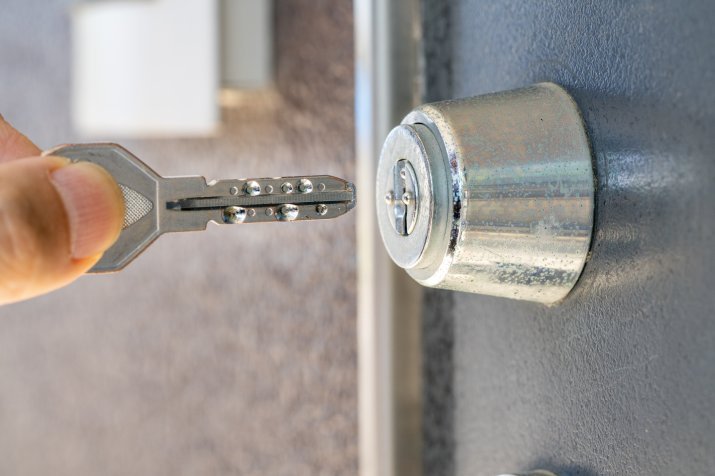
One of the things that surprises foreigners when they sign a rental agreement in Japan for the first time is the high initial costs.
You may be confused because there are many items you have to pay in addition to the first month's rent, such as a security deposit and key money, and the amounts are by no means cheap.
"Key replacement fees" are also one of the items that may be included in the initial costs.
This article provides a clear explanation for foreigners looking for rental housing in Japan, covering what "key replacement fees" are, typical costs, reasons for paying them, and points to consider to avoid related problems.
1.What exactly is a "key replacement fee"?
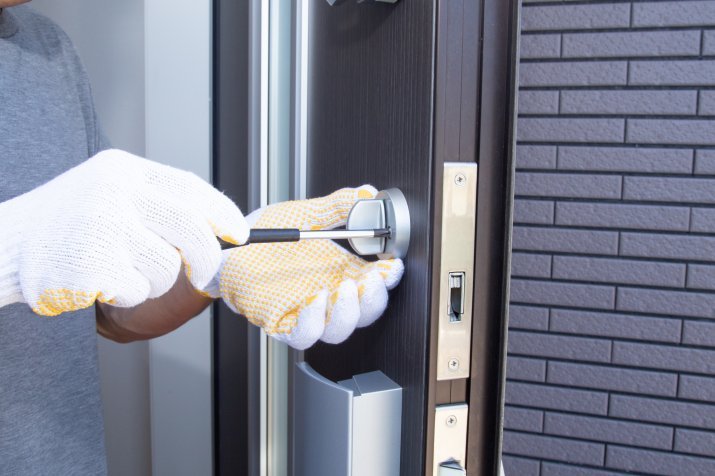
"Key replacement fee" refers to the cost incurred to replace the lock on the front door of an apartment or condominium with a new one before you move in.
Specifically, the entire lock cylinder will be replaced with a new one. This means you will receive a completely new key.
This is a common fee that many real estate companies and landlords charge as part of the initial costs when moving into a rental property in Japan.
In other words, "key replacement fees" are one of the initial costs that tenants are responsible for.
But why is it necessary to change the locks?
Reasons for needing to change locks: Security risks
The main reason is "to eliminate security risks and protect your safety."
Someone else lived in that room before you. If you don't change the locks, the following risks may arise:
- The previous tenant may have a spare key.
- The previous tenant may have given a spare key to a friend, family member, or romantic partner.
- In the unlikely event that the previous resident had malicious intent, there is a risk of illegal entry.
To completely eliminate these risks and ensure that you, as a new resident, can begin your life here with peace of mind, we will replace the locks with new ones before you move in.
In short, changing your locks is a very important step in protecting your privacy and safety.
Timing of key changes: Differences between move-in and move-out.
In many properties, the locks are changed "before" the tenant moves in. New cylinders and locks are installed by the move-in date, and the tenant receives brand new keys. This eliminates the risk of duplicate keys left by the previous tenant, allowing the tenant to start living in with peace of mind.
However, in the following cases, the locks may be changed upon vacating the property:
- Replacement as stipulated in the contract: If the contract clearly states that "the tenant is responsible for the cost of replacing the locks at a contractor designated by the landlord upon vacating the property," then the replacement will take place upon vacating the property, not before moving in.
- If the tenant loses the key or changes the lock without permission: In this case, due to security risks, even if the lock was changed before the tenant moved in, you may be charged for the cost of changing the lock again upon moving out. This is a security measure in case the next tenant is not found immediately.
2.Average costs of lock replacement and differences by type
So, how much does it cost to change the locks?
To determine whether the amount stated in the contract is reasonable, it's important to know the market rate.
Breakdown and calculation method of key replacement costs
The cost of replacing a lock is generally the sum of the price of the lock itself and the labor cost charged by the locksmith for the replacement work.
The price of the key itself varies greatly depending on the type.
Estimated costs by type of key (serrated key, dimple key, card key/smart lock)
| Types of keys | Features | Estimated costs | supplement |
| Serrated key (A typical key) | This is the simplest and most common type of key, with jagged edges on both sides. It's often found in older apartments and condominiums. | Approximately 15,000 to 20,000 yen | While inexpensive, it's vulnerable to lock picking and offers relatively low security. |
| Dimple key | A complex structure with multiple dimples of varying sizes and depths on the surface of the key. | Approximately 20,000 to 40,000 yen | Its complex structure makes it difficult to pick, offering high security. It's the mainstream choice for newer properties. While slightly more expensive, it's recommended for those prioritizing safety. |
| Card key / Smart lock | This type of lock is unlocked using a special card or smartphone, rather than a physical key. | From 25,000 yen (depending on the property) | It offers high security because there's no worry about keys being copied, and cards and information can be deactivated in case of loss. Replacement costs may be high depending on the system. |
3.Who pays for the lock replacement fee? Differences in burden between tenant and landlord.

Lock replacement costs are certainly not cheap. Who pays for it?
Reasons why tenants often bear the cost
As I mentioned earlier, the cost of changing the locks is almost always paid by the tenant. In other words, it will be your responsibility.
But why should the tenants have to pay?
That's a perfectly valid question.
This is because the " Guidelines on Disputes Regarding Restoration to Original Condition " published by the Ministry of Land, Infrastructure, Transport and Tourism states that it is "reasonable for the landlord (lessor) to bear the cost of changing the locks" (except in cases such as when the previous tenant has lost the keys). This is because it is considered part of property management when tenants change.
However, in reality, in most cases of rental housing in Japan, the cost of changing the locks is borne by the tenant.
Why?
That's because there are no legal regulations regarding the cost of replacing locks; it's purely a contractual matter.
While landlords have an obligation to "rent out the room," they are not obligated to "change the locks." Therefore, changing the locks is generally considered an "optional service" for the next tenant, and the cost is typically borne by the tenant.
Be sure to check the "special provisions" in the contract (important matters explanation document).
The lock change is purely a contractual agreement, so the contents of the contract are everything.
Therefore, when it comes to changing locks, be sure to carefully check the "special provisions" section of the contract.
It indicates whether the locks were changed and who is responsible for the cost.
Signing a contract means you have agreed to its contents.
Is it possible to reduce the cost of replacing locks?
So, is it possible to eliminate or reduce the cost of changing locks?
Generally speaking, you should assume it will be difficult. However, there may be room for negotiation in the following cases.
- Negotiate before signing the contract: As mentioned earlier, signing the contract means you agree to the lock replacement fee. If you have any questions or concerns, be sure to negotiate with your landlord or management company before signing the contract. If the lock replacement fee is significantly higher than the market rate, there may be room for negotiation.
- Is it okay to find a contractor myself and replace the lock?: You might want to find a cheaper contractor yourself and replace the lock. However, whether or not this is allowed depends on the landlord's (management company's) discretion. Do not replace it without consulting them beforehand. Since the lock is also part of the landlord's property, you are not allowed to replace it without permission.
- Negotiations can be difficult in some cases: Popular properties often have many other prospective tenants, making negotiations challenging. Conversely, unpopular properties with poor locations or many vacancies may be more open to negotiation.
4.Examples of problems with key replacement fees and points that foreigners should be aware of.

To avoid problems related to lock replacement, please familiarize yourself with common issues and how to deal with them beforehand.
I was charged a fee that was clearly higher than the market rate.
This is a case where you are charged an exorbitant fee, such as 50,000 yen, even though it's not a dimple key.
First, check the breakdown of costs (key fee and labor fee), and if it is significantly different from the general market rate, ask the real estate company for an explanation.
It had not actually been replaced when I moved in.
This is a particularly egregious case where the customer paid the fee, but the locks were never actually replaced.
When you move in, check if the keys are new (check for scratches, if they are still in their packaging, etc.). If you notice anything unusual, contact the real estate company immediately and request a receipt or completion report for the key replacement work.
I was charged again when I moved out.
The key replacement fee is generally a one-time payment made upon moving in.
However, if the contract includes a special clause stating that "the locks will be changed upon vacating the property, and the cost will be borne by the tenant," then charges may also be incurred upon vacating the property.
If you are charged without any such clause in your contract, present the contract or receipt from when you paid upon moving in and explain that the charge is unfair.
Where to seek advice when you're in trouble (real estate companies, housing hotlines, local government offices)
If you encounter any problems regarding lock replacement, please contact the following support center.
- Real estate company that introduced you to the property: Many problems arise from a lack of communication or misunderstandings. First, contact the real estate company that brokered the deal and explain the situation accurately to discuss it with them. In that case, if you used a real estate company that specializes in foreigners, such as Mooovin , it will be easier to get help when you encounter problems.
- The Ministry of Land, Infrastructure, Transport and Tourism's " Housing Dial ": This is a specialized housing consultation service designated by the Minister of Land, Infrastructure, Transport and Tourism. Unfortunately, it is not available in English, but there is a "Simple Japanese" page.
Local government consultation services for foreigners: Some local governments, like the Tokyo Metropolitan Consumer Affairs Center , have multilingual consultation services. However, these are only for people who live or work in that local government, so please check if there is such a service in your area.