



[For foreigners] Guide to choosing a residential area in Japan
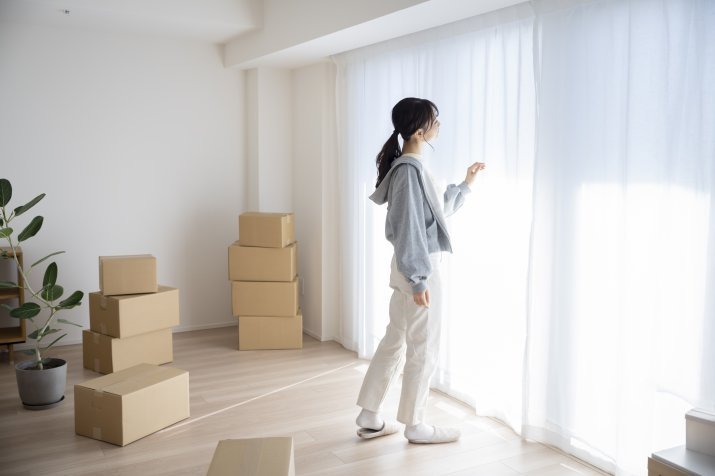
For foreigners considering moving to Japan, deciding where to live is a major concern. Since there's often a lot they don't know about different areas in Japan, they're bound to struggle with how to choose a place to live.
Therefore, in this article, we will explain how to choose a residential area for foreigners planning to move to Japan.
Please use this as a reference to avoid making mistakes when choosing a residential area.
1.How to Choose ①: Consider the Three Most Important Points

When deciding on a residential area in Japan, there are three points you should first consider.
We will explain each point below.
Location
The first thing to consider is location, or the general residential area. Japan has prefectures such as Tokyo, Osaka, and Kyoto. Which prefecture you live in will be almost automatically determined by your workplace and the school you will attend (Japan has 47 prefectures).
The next location to decide on is the local government within the municipality. For example, Tokyo is made up of 23 wards and other cities, towns, and villages.
Choosing a residential area in Japan means deciding which prefecture and city you will live in.
While the basic principle is to choose an area close to your workplace or school, there are other points to consider regarding location. I will discuss those points later.
rent
Rent is also an important factor when choosing a residential area. This is because Japan offers a wide variety of rental housing options to suit the needs of residents, and rents vary accordingly.
In Japan, it is generally considered best to keep rent within one-third of your income. This is because it is a reasonable range when considering the balance with other necessary living expenses such as food, utilities, and entertainment.
When choosing an area to live in, be sure to find a home that you can rent for less than one-third of your income.
Floor plan
We have explained that Japan offers a wide variety of rental housing to suit the needs of its residents, and this is best illustrated by the floor plans.
While studio-type and bedroom layouts are common overseas, there are a variety of different layouts available for rental housing in Japan.
Below is a typical floor plan in Japan.
| Floor plan | Content | Estimated number of residents |
| One-room apartment | This is what is called a studio type overseas. The kitchen and living room are combined into one floor plan. As there are no partitions, it is compact and suitable for single living. | 1 person |
| 1K | This floor plan includes a living room plus a kitchen. "K" stands for kitchen. Because the kitchen and living room are separated by a door or other partition, the living spaces are more distinct than in a studio apartment. | 1 person |
| 1DK | This floor plan includes a living room plus a dining/kitchen area. DK stands for dining kitchen. It's a spacious layout for one person, and can also accommodate two people. | 1 to 2 people |
| 1LDK | This floor plan includes a bedroom plus a living/dining/kitchen (LDK) area. LDK refers to a room that serves as both a living room and a dining/kitchen area. It's similar to a one-bedroom apartment found overseas. | 1 to 2 people |
| 2K | The layout is a kitchen and two other rooms. The rooms can be used as bedrooms and living rooms, but there is no separate living and dining area. | 1 to 2 people |
| 2DK | The layout includes a dining room, kitchen, and two other rooms, making it suitable for families with small children. | 2 to 3 people |
| 2LDK | The layout consists of a living room, dining room, kitchen, and two other rooms. If you have multiple children, it is a good idea to consider a 2LDK or larger layout. | 2 to 4 people |
Understand the unique layout of rental housing in Japan and choose a home that suits your lifestyle.
2.Method 2: Choose by route
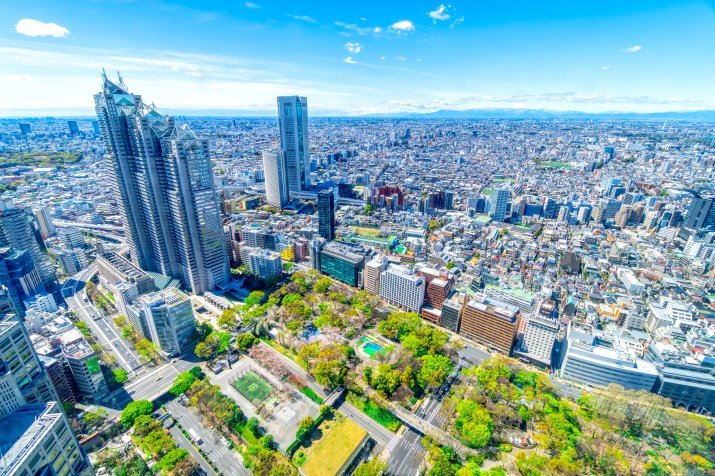
When choosing an area to live in in Japan, it's important to consider three points: location, rent, and layout. From here, we'll take a closer look at location.
One way to choose a suitable location (residential area) is to select it based on the train line you use.
In a big city like Tokyo, there are many train tracks, such as the Yamanote Line and the Chuo Line. These are called "lines."
The most basic way to choose a residential area is to choose an area on a train line that is convenient for commuting to your workplace or school.
While it's convenient to be able to travel by a single train without transfers, if you're commuting to work or school in Tokyo, transfers aren't a major inconvenience, so various train lines can be considered as potential residential areas.
Use Google Maps or similar to find out which route is most convenient for you.
3.Method 3: Choose by distance from the station
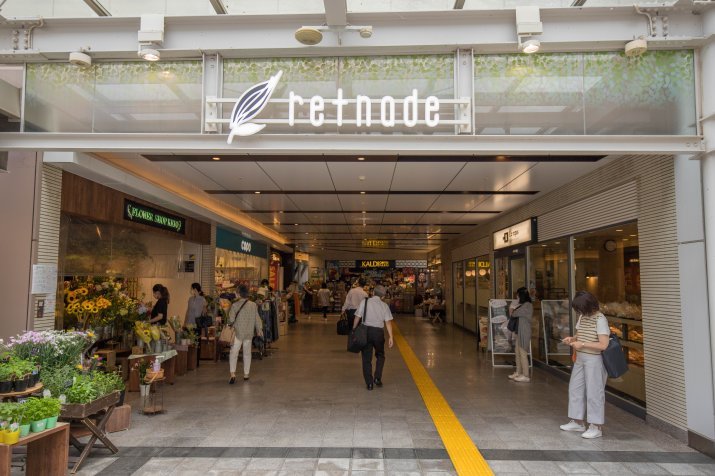
Once you've decided on a train line, choose an area along that line where you'd like to live. When doing so, use the distance from the nearest station as one of your criteria.
Japanese real estate information lists information such as "X minutes' walk from the station." One guideline for a convenient residential area is to be within a 15-minute walk from the station. The Japanese real estate industry calculates "1 minute's walk = 80 meters," so a 15-minute walk is roughly 1.2 kilometers.
However, rent tends to be higher the closer you are to the station, so choose carefully while considering the balance between rent and floor plan.
If you still feel the rent is too high, one option is to look for a property further away from the station.
If you live in an area with limited public transportation options such as trains, please check whether bicycles or other means of transport are available.
4.How to choose ④: Consider convenience
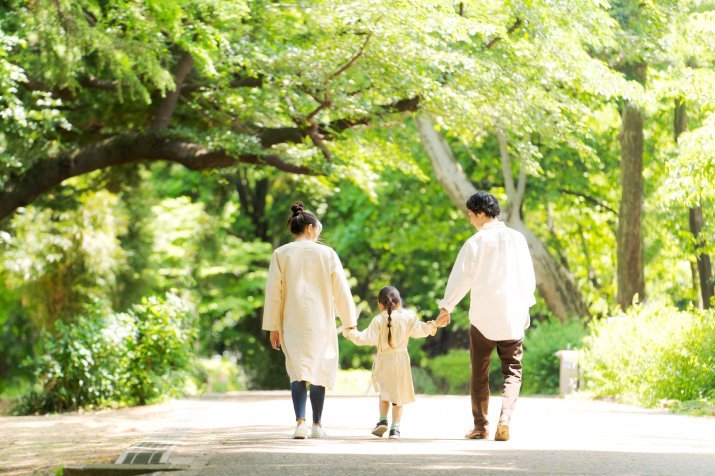
When choosing a place to live, it's important to consider not only the distance from your workplace or school, but also whether the area is a pleasant place to live.
For example, be sure to check if there are supermarkets or convenience stores nearby, and if there are parks or other recreational facilities you might want to use.
In addition, if you are a foreigner, it is important to consider whether there are hospitals where English is spoken, and whether there are grocery stores (such as Kaldi or Gyomu Super) that sell ingredients and seasonings from your country.
There are also areas in Japan where people of certain nationalities are concentrated. Areas where many people of your nationality live are often convenient for living, so be sure to check them out on Facebook or other platforms.
What constitutes "convenience" varies from person to person, so it's important to choose an area that is comfortable for you to live in.
5.How to choose ⑤: Think about safety
Japan is generally considered to have a good level of public safety compared to other countries, but even so, the number of unsettling incidents has been increasing recently.
Therefore, especially if you are a woman living alone, please choose an area with good public safety.
One indicator used to assess local safety is the crime rate per capita. The National Police Agency's annual " White Paper on Crime Victims " provides detailed information on crime rates and trends across the country.
According to a 2023 report, the top 10 worst crime rates per 1,000 people per year are as follows:
| Ranking | Municipality name | Crime rate per 1,000 people |
| 1st place | Shinjuku Ward, Tokyo | 14.13 items |
| 2nd place | Chuo Ward, Osaka City, Osaka Prefecture | 13.45 items |
| 3rd place | Shibuya Ward, Tokyo | 12.78 items |
| 4th place | Kita-ku, Osaka City, Osaka Prefecture | 12.34 items |
| 5th place | Toshima Ward, Tokyo | 11.89 items |
| 6th place | Naniwa Ward, Osaka City, Osaka Prefecture | 11.56 items |
| 7th place | Taito Ward, Tokyo | 11.23 items |
| 8th place | Nishinari Ward, Osaka City, Osaka Prefecture | 10.87 items |
| 9th place | Naka Ward, Nagoya City, Aichi Prefecture | 10.45 items |
| 10th place | Kawasaki Ward, Kawasaki City, Kanagawa Prefecture | 10.12 items |
Generally speaking, the further you go into rural areas, the better the public safety tends to be.
A summary version of the White Paper on Crime Victims is also available in English, so please refer to it.