



If you're living in Japan, should you get a "washlet" (heated toilet seat)? A toilet seat replacement manual for foreigners.
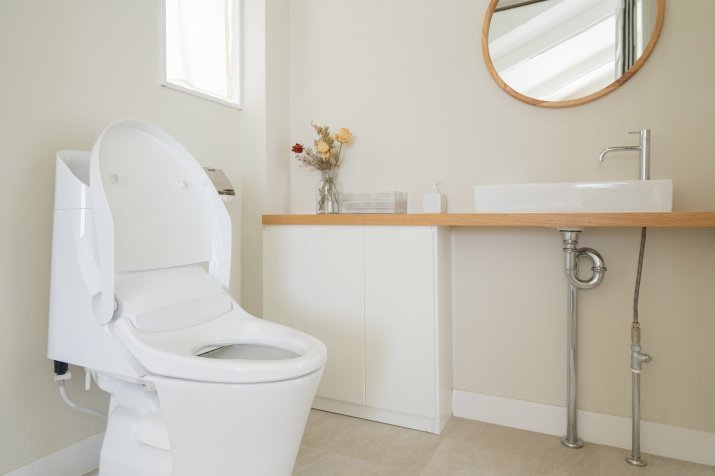
Many foreigners who use a Japanese heated toilet seat (washlet) for the first time are impressed by its comfort and think, "If I ever live in Japan, I'll definitely install a washlet!"
However, in the case of rental properties, unless it's already installed, you may not be allowed to install it yourself later without permission.
Therefore, this article will provide detailed information for foreigners looking for rental housing in Japan, from how to obtain permission to install a bidet toilet seat to how to replace the toilet seat and important points to keep in mind.
1.Japanese heated toilet seats that foreigners admire
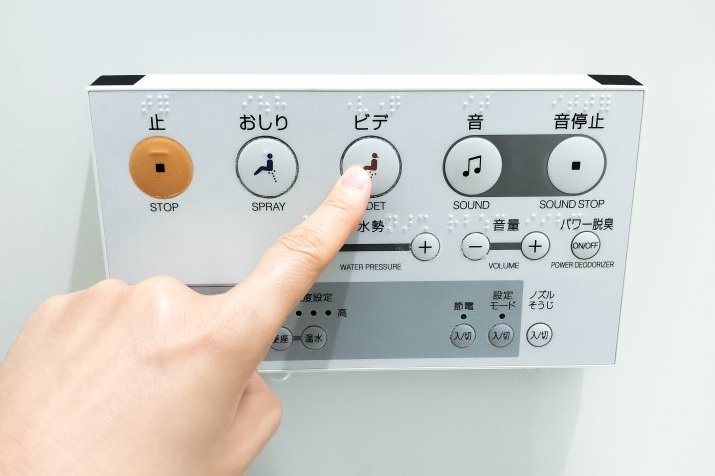
A heated bidet toilet seat (washlet) is a toilet seat that has functions such as warming the seat surface and washing with warm water from a nozzle. Depending on the model, there are many additional functions such as drying and deodorizing functions.
It's used in many homes in Japan and is one of the most common pieces of equipment that people from overseas find amazing!
What is a heated toilet seat with bidet function? Basic functions and appeal
Washlet is a trademark of TOTO, and the official term is "warm water washing toilet seat," but in Japan, products from other manufacturers are often collectively referred to as Washlet.
The main functions of a bidet toilet seat are as follows:
- Warm water wash: Washes your bottom with warm water. The water temperature is adjustable, so you can avoid the discomfort of water that is too cold.
- Bidet cleansing: Gentle cleansing for women. Gently cleanses the delicate area.
- Water pressure adjustment: The water pressure can be adjusted to either high or low. This can be used to suit people with sensitive skin or those who want a thorough wash.
- Warm air drying: A function that dries the toilet with warm air after washing. This can reduce the amount of toilet paper used.
- Heated toilet seat: The seat stays warm and comfortable even in winter. The temperature can be adjusted to prevent low-temperature burns.
- Deodorizing function: Absorbs and breaks down odors during and after use, keeping the toilet space clean.
- Automatic opening and closing: The lid and toilet seat open and close automatically when it senses human movement. Hygienic as it requires no hands-on use.
- Automatic flushing: The toilet bowl automatically flushes after use, preventing you from forgetting to flush.
- Automatic nozzle cleaning: The nozzle is automatically cleaned before and after use, ensuring it is always kept clean.
In Japan, these toilets are commonly installed not only in private homes but also in restrooms at airports, hotels, and convenience stores, so foreigners experiencing such toilets for the first time will likely be surprised.
The situation regarding heated toilet seats in rental properties
Even in rental properties, toilet seats are almost standard equipment in newly built apartments. However, it's not uncommon to find older properties with just a regular toilet seat.
Therefore, in surveys conducted by rental property websites, bidet toilets consistently rank among the most popular amenities.
2.Is it possible to replace the toilet seat in a rental property?
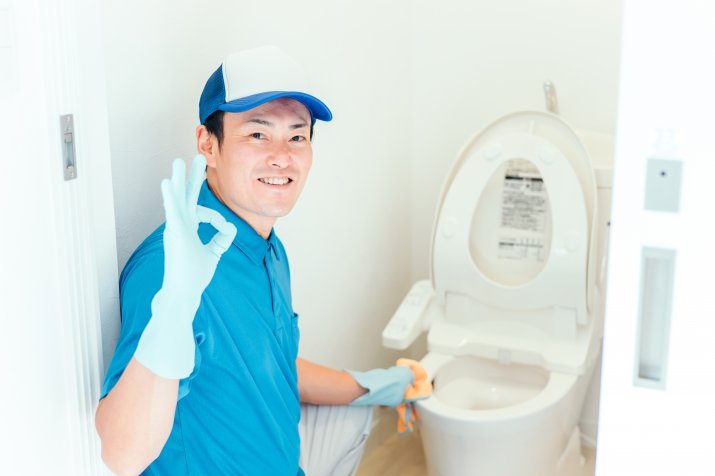
Some people might think, "If there's no heated toilet seat, why not just replace it myself?"
However, the fixtures and fittings in a rental property are generally the landlord's property. Therefore, replacing them without permission could lead to problems.
Therefore, it is important to first check whether a bidet toilet seat can be installed in your current home (or the property you are interested in).
Cases in which toilet seat replacement is permitted and cases in which it is not.
Whether or not a bidet toilet seat can be installed after moving in depends on the landlord's decision.
The fundamental principle at this time is the "restoration to original condition" rule.
"Restoration to original condition" refers to the basic rule in Japanese rental agreements that when you move out, you must return the room to the condition it was in when you rented it.
If you have installed a bidet toilet seat, you must remove it and return the property to its original state when you move out.
Based on that basic principle, the following are the guidelines for determining whether a bidet toilet seat can be installed.
Conditions that make permission more likely
- This is permitted on the condition that the tenant installs it at their own expense and removes it and restores the original condition upon moving out.
- In cases where the installation of a bidet toilet seat is considered an "upgrade to the facilities," and the tenant is allowed to leave it installed when they move out.
Conditions that are unlikely to be approved
- No power outlet in the toilet: A bidet toilet seat cannot be installed without a power outlet. Electrical work for this purpose is often not permitted. Even if permitted, the cost of the work will be borne by the homeowner.
- If prohibited by contract: If the lease agreement states "no changes to equipment," it is often not permitted.
Therefore, it is absolutely essential to always get prior confirmation rather than installing it without permission.
Concept of ownership (fixed fixtures = landlord's property)
In Japanese rental housing, the concept of "ownership" is very important. For example, who owns equipment such as a bidet toilet or air conditioner determines who is responsible for repairing or replacing them when they break down.
- If a bidet toilet seat is already installed: A bidet toilet seat that is already installed in the room is the property of the landlord. Therefore, in the event of a malfunction or defect, the landlord is usually responsible for repairs or replacements.
- If you installed it yourself later: If you installed it on the condition of "restoring the property to its original condition," the bidet toilet seat belongs to the person who installed it. You are solely responsible for installation and any repairs in case of malfunction, and you must remove it and return it to its original state when you move out. If you are allowed to move out with the bidet toilet seat installed as an "upgrade" (this is called "remaining property"), the bidet toilet seat becomes the property of the landlord. Who is responsible for repairs in this case depends on the terms of the contract, so prior agreement is important.
In Japanese rental properties, clearly identifying who owns the equipment and fixtures is key to avoiding problems after moving in.
3.The specific steps for replacing a toilet seat yourself
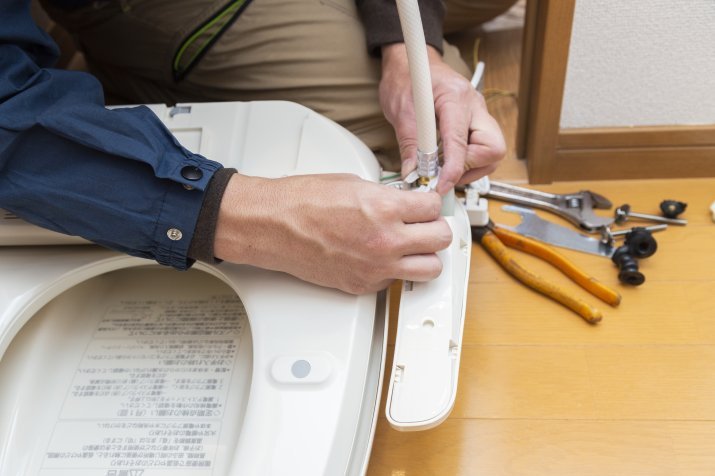
Now, let's look at the process of replacing the toilet seat if your landlord has given permission to install a bidet.
Can I do it myself? Or should I hire a professional?
The first thing to consider is whether to hire a professional or do it yourself.
- Conditions for DIY: No major electrical work is required, and you have the necessary tools. If you follow the manufacturer's official instructional videos and manuals, it may be possible to replace it in about 30 minutes to an hour.
- When is it better to hire a professional? For example, if electrical or plumbing work is required, or if you don't have the necessary tools.
In particular, if additional power supply or water supply piping modifications are required, only qualified contractors are permitted to perform the installation work.
Preparation before replacement: Key points for choosing a toilet seat
If you're installing a bidet toilet seat yourself, make sure to check the following points first.
Availability of power outlets (power supply)
Check if there is an electrical outlet in the toilet.
Since a bidet toilet seat is an electrical appliance, it requires a grounded outlet. If there is no such outlet, be sure to have a new one installed by a qualified electrician. Extending the cord yourself poses a risk of electric shock or short circuit.
Also, since water splashes around the bidet area, never use an extension cord there. It is extremely dangerous as it poses a risk of electric shock or fire.
Differences in water supply methods (branching connector type vs. tankless type)
The method of supplying water to a bidet varies depending on the type of toilet.
- Toilet with tank: This type has a tank in the toilet bowl to hold water, which is then branched off and supplied to the bidet. It is a relatively easy type to install, even for DIY projects.
- Tankless type: This type of toilet does not have a tank, and flushes by directly dispensing water from a valve on the wall. Installing a commercially available bidet toilet seat requires special connection parts (adapters), which can make DIY installation difficult.
The type of bidet toilet seat may vary depending on the water supply system.
Toilet bowl size (elongated, regular)
There are two main types of Western-style toilets in Japan. You can distinguish between them by measuring the distance from the center of the toilet seat mounting hole to the front of the toilet bowl.
| kinds | Length guideline | Features |
| Elongated (large) | Approximately 470mm | This is common in newly built or relatively new properties. |
| Regular (normal) | Approximately 440mm | Often found in older properties |
While many modern bidet toilet seats are "combined type," in rare cases, the size may not match, causing the seat to protrude or the lid to interfere. Therefore, be sure to check the dimensions and model number of your toilet before purchasing.
Time to replace it! Installation and removal procedure
The general procedure for installing a bidet toilet seat is as follows:
- Close the shut-off valve (the faucet that stops the water flow in the toilet) to prevent water from flowing.
- Remove the old toilet seat from the toilet bowl.
- Install a new heated toilet seat with bidet function.
- Open the shut-off valve and check for leaks.
- Plug it into the outlet and check that it works.
Please refer to the manufacturer's instructions and video resources, and proceed with caution.
How to dispose of old toilet seats and points to note
If you have a bidet installed on the condition that you restore the property to its original condition, you must not throw away the old toilet seat. Keep it and put it back when you move out.
If the old toilet seat is not required to be removed upon vacating the property as part of an "equipment upgrade," you may dispose of it. However, caution is needed when disposing of it.
Disposal methods for old toilet seats vary by municipality. If you dispose of it as "bulky waste," you must apply to the local government by phone or online in advance, pay the designated fee, and dispose of it at the designated location. Be sure to check the disposal method of your local government.
When hiring a professional to install a new toilet seat, you can usually also request disposal of the old seat. In this case, there may be a disposal fee.
4.Cost and average price of toilet seat replacement

The cost of replacing a toilet seat is mainly divided into the cost of the toilet seat itself and the cost of installation.
- Breakdown of toilet seat replacement costs = Unit price + Labor cost + Disposal fee
Market price of the main unit
There are various types of bidet toilet seats available from different manufacturers, and the price varies greatly depending on the model.
- Entry-level models (¥10,000 to ¥30,000): These come with basic features such as a bidet function and a heated toilet seat.
- Mid-range models (30,000 to 60,000 yen): These models include additional features such as antibacterial and stain-resistant properties, deodorizing functions, and automatic opening/closing functions.
- High-performance models (60,000 yen and above): These models offer a full range of convenient features, including warm air drying, massage washing, automatic washing, and energy-saving functions.
Identify the features you need and choose the model that's perfect for you.
Average labor costs
The installation fee charged by a professional will vary depending on the type of toilet.
- Toilet with tank: Approximately 5,000 to 15,000 yen
- Tankless type: Approximately 15,000 to 30,000 yen
This is just an estimate. Labor costs vary depending on the region and the contractor.
Regarding the cost of restoring the property to its original condition upon termination of the lease agreement.
Reinstallation costs can range from several thousand yen to tens of thousands of yen. Since this varies depending on the property and the contractor, be sure to check beforehand.
If you accidentally throw away the toilet seat, you'll incur extra costs, so be careful.
5.Frequently Asked Questions (FAQ)

Finally, we've compiled some frequently asked questions about toilet seat replacement.
Q. What happens if I install it without permission?
This constitutes a breach of contract, and you may not only be charged for restoration costs upon vacating the property, but also be required to pay a penalty fee. Always obtain permission from your landlord or property management company beforehand.
Q. Should I keep my old toilet seat?
Yes, if you need to return the toilet seat to its original state when you move out, please keep it. Put it in the box that the new toilet seat came in, or wrap it in a plastic bag and store it in a clean place.
Q. What if a water leak occurs during installation?
Immediately close the water valve to stop the leak. Then, contact your landlord, property management company, or a contractor. Trying to fix it yourself may only worsen the damage.