



[For Foreigners] Is it true that you shouldn't be present during the move-out inspection of a rental property in Japan? All the knowledge you need to avoid losing money.

When searching for rental properties in Japan, you'll likely encounter unique Japanese business practices and rules. For example, "key money" and "joint guarantors." While these are rules to remember when moving in, are you aware that there are also unique Japanese customs when moving out?
That is called "attendance."
Just like with other rules, knowing about the inspection process for rental properties in Japan makes a huge difference.
Therefore, in this article, we will explain in an easy-to-understand way what a move-out inspection is and the key points you should remember to avoid losses, specifically for foreigners looking for real estate in Japan.
1.What is a "handover inspection" when moving out of a rental property in Japan?
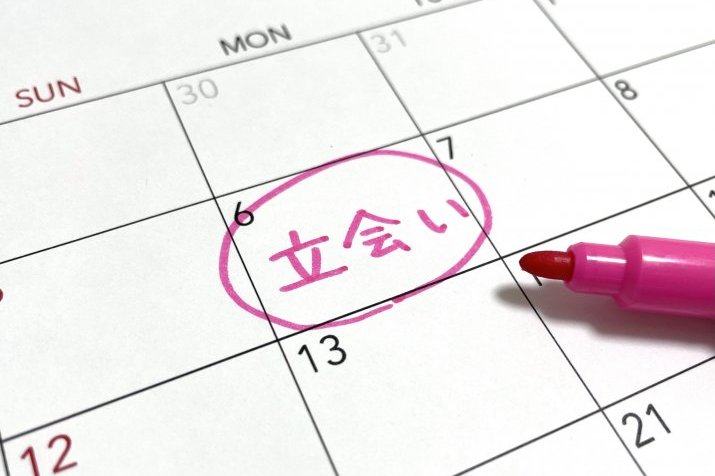
In Japanese rental housing, it is common for the tenant and the landlord (or management company) to be present together to inspect the condition of the room when the tenant vacates the property. This is called a "joint inspection."
The purpose of the inspection is to confirm any damage or stains in the room and to clarify the proportion of repair costs to be borne. This helps to avoid unclear claims or compensation for damages later on.
In short, a joint inspection is one of the procedures to ensure that both the tenant and the landlord are satisfied with the completion of the move-out process.
Reasons why foreigners want to avoid being present
While I explained that walkthroughs are common in rental housing in Japan, recently I've heard opinions suggesting that it's better to avoid them, or rather, "wouldn't it be better not to have a walkthrough?"
This is purely speculation, but the reason might be that some people have shared stories on social media about being unfairly charged exorbitant repair fees during on-site inspections.
Others who see this might interpret it as, "It would be disadvantageous to be present," or "It would be better to just return the keys and run away."
Not only are foreigners unfamiliar with Japanese hesitant to speak face-to-face, but even among younger Japanese people, there is a tendency to avoid face-to-face interactions, so you may have noticed that you are increasingly hearing the opinion that "it's better not to be present during the meeting."
Current status of overseas witnessing
So, what about overseas?
In many countries, "check-out inspections" are not as common as in Japan, or the format is often different.
For example, in Europe and the United States, there is a system of inspections, but it is entirely voluntary. Generally, both when moving in and moving out, it is common for a third-party expert to check the property. Based on the records and photographs taken at the time of move-in, they check for damage or dirt in the room. In order to avoid legal troubles, the prevailing approach is to "prioritize written documentation and records over inspections."
In Southeast Asian countries, while there are inspections, they are often purely formal. A quick glance at the room is usually sufficient, and if there are no major damages or stains, everything is considered fine.
These differences in customs regarding witnessing procedures may be the reason why some believe that witnessing procedures is not necessary in Japan.
2.Is it true that "it's better not to be present"? Benefits and risks you should know.

So, is it really true that "it's better not to have a walkthrough" when renting an apartment in Japan?
Let's consider this from both a legal and a practical perspective.
Legal perspective
Under Japanese law, there is no obligation to be present when a tenant moves out of a rental property.
- Principle: Residents are not obligated to be present.
Tenants have an "obligation to restore the property to its original condition" (the responsibility to return the rented room to its original state), but this condition check does not necessarily have to be done in person.
Benefits of not having someone present
So, what are the advantages for the tenant if they don't actually attend the inspection?
The possible benefits are as follows:
- Flexibility in timing: Tenants can proceed with the move-out process at their own convenience, eliminating the hassle of coordinating dates with the landlord or property management company. This is effective for those who want to proceed at their own pace amid a busy schedule.
- Stress Reduction: Face-to-face inspections can be stressful and pressure-inducing, especially for foreigners. Without an inspection, you don't have to speak directly with the agent or landlord, thus reducing the mental burden.
- Expedited procedures: Besides in-person inspections, you can expedite the process by documenting the property's condition with photos and videos and submitting them online.
Because of these advantages, some people believe it's better not to be present during the process.
Risks of not being present
Since attendance is not legally required and there are benefits to it, you might also think that it's better not to attend.
However, there are good reasons why the system of having tenants present during on-site inspections is used for rental properties in Japan, and there are several significant risks involved in not having them.
Risks of not being present
- Potential for Unfair Charges: Tenants may be unilaterally charged exorbitant repair costs by the landlord without being able to verify any damage or stains in the room.
- Lack of evidence: You lose the opportunity to argue that the damage was there before you moved in or that it was due to natural wear and tear from daily life, making it very difficult to refute later claims. This is because photos and videos alone can make it difficult to determine responsibility if damage is discovered later.
- Reduction or additional charges for the security deposit refund: Unfair repair costs may be deducted from the security deposit, significantly reducing the amount refunded, or the security deposit may not be sufficient, leading to situations where additional costs are demanded.
- Lack of communication: Because there is no face-to-face interaction, there is a higher likelihood that detailed explanations about the property's condition and the need for repairs will be insufficient, as will explanations about the breakdown and reasons for costs.
As explained earlier, the purpose of the joint inspection is for both the tenant and the landlord to check the condition of the room together. This allows both parties to see for themselves whether there are any stains or damages, and to what extent.
Refusing to be present means forfeiting that opportunity. Of course, being present doesn't guarantee you'll avoid exorbitant moving-out fees, but it at least significantly reduces that risk, or gives you an opportunity to object to unfair charges.
In other words, the requirement for a landlord to be present during the move-out inspection is not a legal obligation, but rather a "right" of the landlord.
If it is a right, then it would be wise to fully understand and utilize it in order to avoid problems when moving out.
3.So which is it? Who should be present during the procedure, and who shouldn't?
Now that we understand the advantages and risks of move-out inspections, let's consider who should and shouldn't participate.
Who should be present?
Attending a meeting is a right, so we generally recommend that everyone, including foreigners, attend.
In particular, the following people should participate in the observation whenever possible:
- For those who want to avoid unfair charges: A joint inspection prevents the landlord from unilaterally demanding move-out costs and provides an opportunity to directly negotiate the scope of repairs and cost sharing.
- For those who want to get the most out of their security deposit: By checking whether the deductions from the security deposit are reasonable and negotiating, you can increase your chances of getting the maximum amount back.
- Foreign residents unfamiliar with Japanese rental customs: It is precisely because you are a foreigner that you should be present during the inspection. Face-to-face confirmation is extremely important in order to assert your rights and prevent problems, especially given language and cultural barriers.
People who should not (or cannot) be present.
Ideally, we would like you to be present, but we understand that some people may not be able to do so for the following reasons.
- For those who are physically unable to attend due to moving to a distant location or returning to their home country: If your schedule simply cannot be arranged, it may not be possible for you to attend.
- People who experience significant stress from face-to-face negotiations and interactions: For various reasons, some people actually experience significant stress from face-to-face interactions with people they are meeting for the first time. It may be decided that it is not necessary to attend if it means risking physical harm.
- If the landlord or management company explicitly states that "no attendance is required": Some real estate companies do not require an attendance at the move-out inspection. If this is stated in the contract, you do not need to be present.
What to do if you are unable to attend the event
If you are unable to be present for unavoidable reasons, you can prevent problems by taking the following steps.
- Appoint a trustworthy representative: It's perfectly acceptable to have a reliable person act as your representative, such as a friend fluent in Japanese or a real estate expert. Be sure to inform your representative in advance about the condition of the property and the key points of the negotiation.
- Thorough evidence gathering: Before moving out, it is crucial to take detailed photos and videos of the entire room, recording the dates. In particular, be sure to record even the smallest details to prove that there are no scratches or stains. This will serve as strong evidence if any problems arise.
- Avoid signing on the spot: Even if you are asked to sign the security deposit settlement statement during the inspection, you are not obligated to sign it on the spot if you do not agree with its contents. You can take it home, carefully review its contents, and consult with a professional if necessary before signing.
4.Points that foreigners should pay particular attention to during the inspection.

So, what points should you keep in mind when you are present during the inspection?
Here, we'll highlight some important points that foreigners in particular should remember.
Language barrier
Rental agreements and move-out instructions often contain a lot of technical jargon and complex expressions, making it difficult for foreigners, especially those unfamiliar with Japanese, to fully understand the content.
Therefore, when attending the meeting, please take measures such as having English documents prepared in advance, using translation apps, or having an interpreter or a trustworthy Japanese person present.
Differences in culture and customs
Japanese real estate has various rules and business practices that may seem unusual to foreigners. It's important to thoroughly understand these beforehand to avoid problems when moving out.
for example
- Security deposit and key money: The security deposit is unlikely to be returned, and the key money is also non-refundable.
- Rules for restoring the property to its original condition: I will explain them in detail later.
- Deadline for giving notice to vacate: Many contracts require you to give notice at least one month before vacating, and failure to do so may result in being charged rent on a pro-rata basis.
- House cleaning fees: If your contract states that "the tenant is responsible for cleaning fees upon vacating the property," you are obligated to pay the cleaning fees. Please check the special clauses in your contract beforehand.
- Key Return Method and Timing: Generally, "returning the keys = termination of the contract." While you may be instructed to return the keys by mail or by dropping them in a mailbox, be sure to keep a record of the process.
For more information on the unique rules and customs of Japanese rental housing, please refer to these articles.
"How to Read and Check Rental Agreements: What Foreigners Should Know"
Lack of information and isolation
Naturally, most information regarding problems with rental housing in Japan is disseminated in Japanese.
Therefore, to avoid panicking when you encounter a problem, it's a good idea to check in advance if there are any support services available in your native language.
for example
- Foreign Resident Consultation Center : Consultations regarding security deposits, move-out inspections, and settlement of payments.
- Foreign Residents Support Center (FRESC) : A support center that accepts consultations regarding the lives of foreign residents.
- Consumer Hotline : A consultation service for unfair billing, contract disputes, and other issues. Partially multilingual support available.
Risk of unauthorized departure
There may be times when you suddenly have to return to your home country for various reasons. However, even in such a situation, please absolutely refrain from leaving your room without contacting anyone or going through the proper procedures, as this can lead to major problems.
Be sure to contact the management company or landlord and explain the date and reason for moving out.
5.Preparation and checkpoints to avoid losses during the meeting

The purpose of the inspection is to check the condition of the room and to determine whether there are any move-out costs and to what extent they will be incurred.
Therefore, to avoid losses, make sure you are well-prepared.
Things to do before the day of the inspection
"The handover of the room" is equivalent to "the inspection taking place."
Therefore, please make sure to complete the following points before the day of the inspection.
- Moving out: We cannot conduct a property inspection or hand over the room if your belongings are still inside. Please make sure you have moved out completely.
- Procedures for moving (canceling) utilities such as electricity, gas, and water: If you don't complete the procedures for canceling utilities, you may not only incur extra charges, but it could also lead to problems with the next tenant.
- Room cleaning: Japanese people value cleanliness. If your room is clean, it will improve the landlord's impression of you, and the chances of getting your security deposit back will increase.
A correct understanding of the "obligation to restore to original condition"
Japanese rental agreements always include a clause regarding the obligation to restore the property to its original condition.
Restoration to original condition means "returning the property to its original state after damage caused by the tenant's intentional actions, negligence, or carelessness."
Therefore, it is not necessary to return the property to its original condition. However, if, for example, the wallpaper is stained or the floors and walls are damaged due to the tenant's smoking, the tenant is responsible for restoring such damage.
The cost of restoring the property to its original condition will be deducted from your security deposit. In other words, the amount you will receive back is "security deposit - cost of restoration." If the cost of restoration exceeds the security deposit, you will have to pay the difference. However, normal wear and tear due to aging and natural deterioration from use, such as fading of wallpaper due to sun exposure or dents in the floor from furniture placement, is the landlord's responsibility.
By clearly understanding the extent of the tenant's responsibility for restoring the property to its original condition, you can avoid incurring unnecessary expenses.
For more information on restoring the property to its original condition, please see " What is the average cost of moving out? A guide to renting in Japan for foreigners ."
Main areas checked during the inspection and how to prepare beforehand
During the inspection, the following areas will be checked:
- Walls and ceilings: Check for stains and damage.
- Floor: Check for scratches, dents, stains, etc.
- Kitchen: Check for dirt on the stove and range hood, and whether the drain is clogged.
- Bathroom/Toilet: Presence of mold, water stains, damage, etc.
- Windows and screens: Check for damage or stains.
- Equipment: If there were any pre-installed equipment items, check for any loss or damage to them.
Keeping areas like bathrooms and floors clean on a regular basis is directly related to reducing move-out costs.
Keep photos from when you moved in! The importance of evidence.
The most helpful tool for avoiding problems when moving out is photographs taken upon moving in. By comparing the condition of the property before and after moving in, you can objectively determine the necessity and extent of restoration to its original condition.
Therefore, once you move in, take pictures of the room before you set up furniture or unpack your belongings.
Tips for taking photos
- Take wide-angle shots to capture the entire room as much as possible.
- Take photos of every corner of the room, including the walls, floors, ceilings, and fixtures (air conditioner, kitchen, bathroom, etc.).
- If there are scratches or stains, take photos that show where they are located and how severe they are.
If you have such records, you can argue when you move out that "this damage (stain) was there before I moved in."
6.Practical advice for foreign residents to avoid trouble
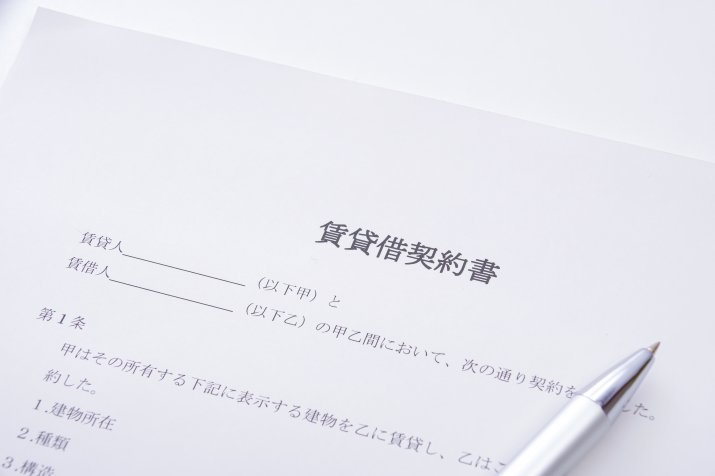
Here are some key points to keep in mind to avoid unnecessary trouble when signing a rental agreement in Japan.
Utilizing multilingual support services
When searching for rental properties in Japan, it's best to use real estate companies that offer multilingual services or real estate websites specifically for foreigners.
For example, "Mooovin" is one of Japan's largest rental information websites for foreigners, where everything from property search and contract signing to monthly rent payments can be completed online. Multilingual staff will not only support you with contract procedures but also help with any problems that may arise after you move in.
The importance of understanding contracts
The lease agreement is the most important criterion for making decisions when problems arise upon moving out. Make sure you understand its contents thoroughly, either by having an English version of the contract provided or by having a trustworthy person explain it to you.
Please be sure to reconfirm the following points during the inspection.
- Clause regarding the obligation to restore the property to its original condition: Confirm the scope of responsibility the tenant is liable for.
- Special clauses: Check for any special arrangements (such as house cleaning fees) in addition to the standard contract terms.
- Items related to security deposit settlement: Check the conditions for the return of the security deposit and any possible deductions.
Even in rental agreements in Japan, the contract itself is the most important thing.
Where to seek help when you're in trouble: Utilize specialized organizations or guarantee companies.
In the unlikely event of any problems, please contact the multilingual support desk mentioned earlier, as well as the guarantee company.
Foreigners who cannot provide a co-signer should have used a guarantee company when signing their rental agreement. Guarantee companies may also handle issues when moving out. Try contacting them.
7.Specific examples of problems and their solutions

Finally, we will present some common problems that arise during on-site inspections and suggest solutions.
Case 1: I was charged an exorbitant cleaning fee after moving out.
- Solution: Thoroughly clean the property yourself before moving out and take photos of the cleaned area as proof. If the bill is excessively high compared to the market rate, consult a professional organization and try to negotiate.
Case 2: Damage that was present before moving in was pointed out.
- Solution: Present photos or videos taken at the time of move-in to demonstrate that the damage existed before you moved in.
Case 3: The tenant was told that they were responsible for damage caused by aging.
- Solution: Explain that the obligation to restore the property to its original condition does not include wear and tear due to age, and that the tenant is not obligated to bear the costs. If explaining this is difficult, consult a specialist organization.
Case 4: I couldn't understand the explanation given during the inspection.
- Solution: Don't sign it on the spot; take it home and review its contents.